Why Joint Width Matters: The Right Application Range of Use for Sanded Grout
10 February 2026When fixing tiles and stones, choosing the proper grout might seem like a minor thing compared to picking the right colour or pattern for the tile. But here's the truth: one of the most common mistakes that leads to cracked and disintegrating grout lines in just a few years is using the wrong type of grout for your joint width. Knowing why sanded grout is made for joints between 3 and 12 mm is more than just technical knowledge; it's the secret to gorgeous tilework that won't crack for decades.
The Science of Sanded Grout
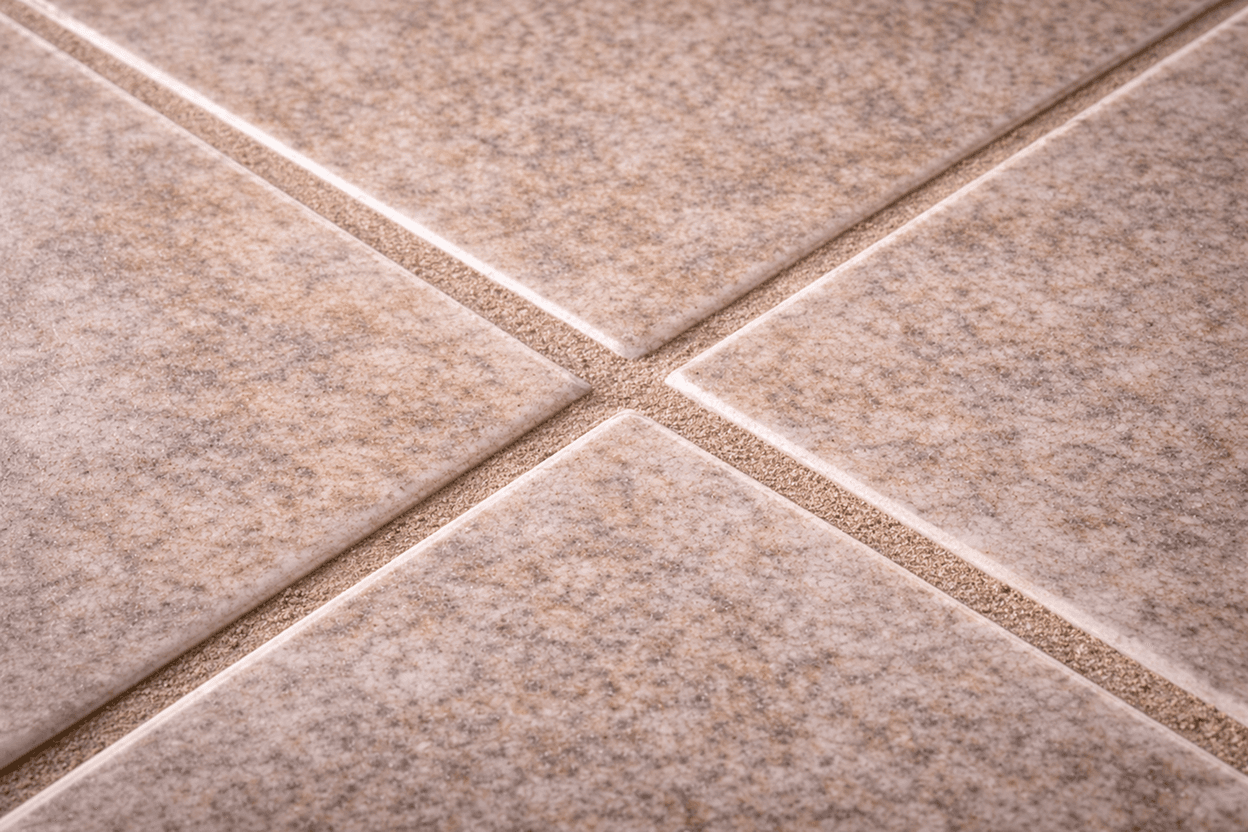
Sanded grout isn't just conventional grout with sand mixed in. It's a professionally made grout that combines silica sand particles with cement and other additives to deliver a high performance grout. Sanded grout plays an important structural role that becomes even more important in medium to wide joints.
Why Sand Particles Are the Key to Success
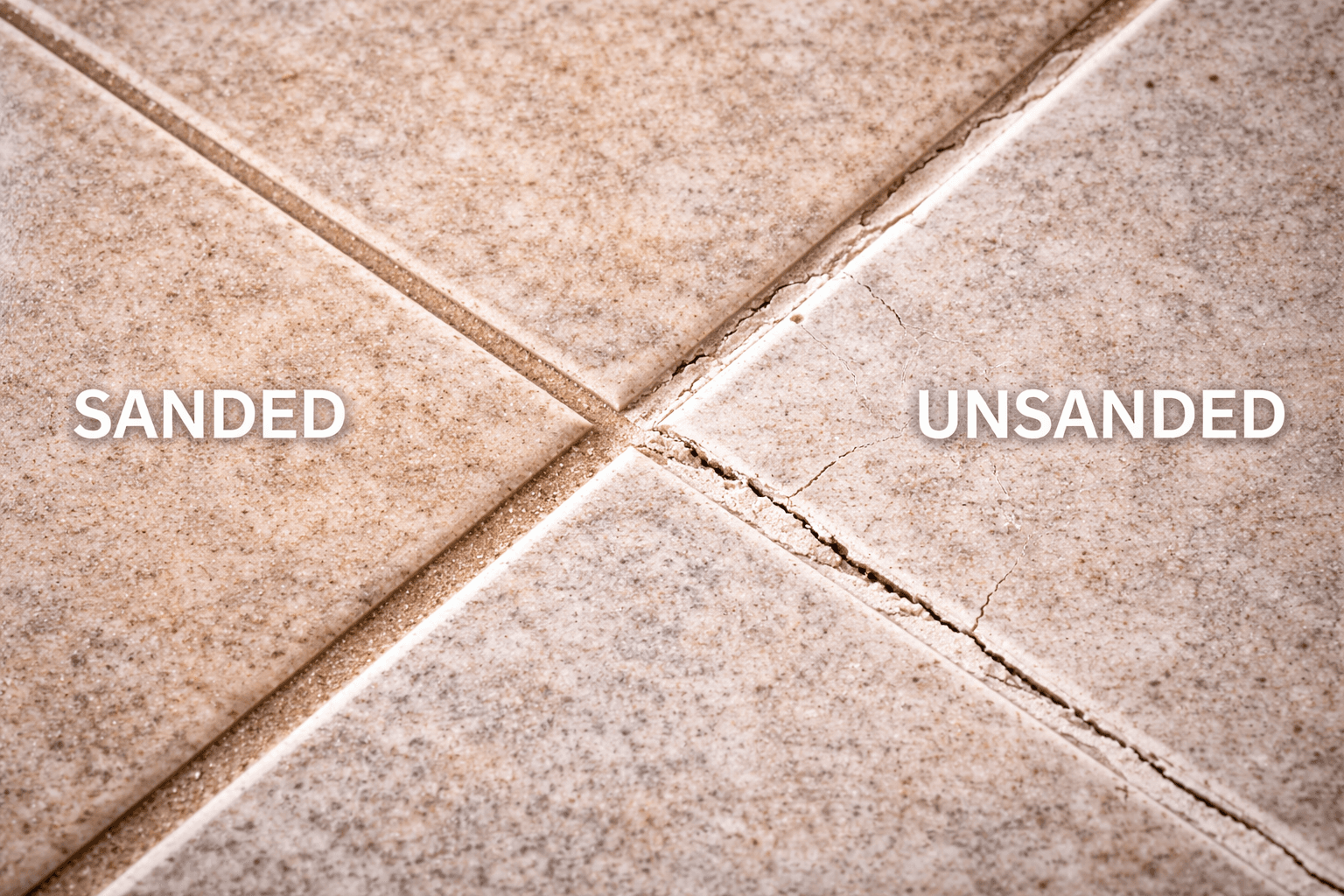
When grout cures after application, the cement paste goes through a chemical process called hydration. As this happens, the water evaporates and the cement matrix gets a little smaller. This shrinkage is quite tiny in narrow junctions (less than 3mm), and the grout quantity is small enough that unsanded grout can handle the stress. But when joints are larger, the amount of grout needed goes up by a lot, and so does the chance of it shrinking.
This is where the sand grains make the framework for your grout. This is how they work:
- Preventing Shrinkage: Sand particles don't shrink while they cure since they are not active. They make a sturdy framework throughout the grout, which cuts down on the overall shrinkage rate by a lot. In a 6 mm joint, sanded grout might shrink by 0.3–0.5%, whereas unsanded grout in the same joint could shrink by 2–3%. That's up to six times more movement that can cause cracks and gaps.
- Structural Reinforcement: The sand particles stick together through a process called mechanical interlocking. The cement paste surrounds and bonds these particles, making a strong matrix that doesn't bend or break under stress. The sand is like rebar in concrete; it gives the grout structure from the inside so it doesn't split when it is stressed.
- Volume Stability: You require a lot of material volume in joints that are wider than 3 mm. Sand particles fill in gaps well and make the grout stronger, which keeps it from drooping or settling before it fully dries.
The 3-12mm Joints: What These Numbers Mean
The 3–12 mm range isn't random; it's based on years of field testing and material science. Let's look at why this range works so well:
The Lowest Limit Of 3 Mm:
Sand particles become a concern when the joint gaps are less than 3mm. The diameter of a normal grain of silica sand in grout is between 0.1 and 0.5 mm. You might only be able to accommodate 4 to 10 sand particles over the breadth of a 2 mm joint. This causes a number of problems:
- Hard to Apply: The sand particles can pass over tight joints, which keeps the grout from fully getting to the tile substrate.
- Rough Finish: When the sand particles are bigger than the joint width, they make a rough, uneven surface that is hard to smooth off.
- Possible Scratching: When sand is applied to polished surfaces like marble or glossy porcelain, it might harm the tile face.
The Highest Limit Of 12 Mm:
Standard sanded grout starts to lose its effectiveness when the gap is more than 12 mm. Sanded grouts are still better at stopping shrinking than unsanded choices, but they come with their own set of problems:
- Too Much Settling: If the joints are wider than 12mm, the grout can settle and sag before it hardens, causing gaps.
- More Water Needed: Wider joints need more grout, which needs more water to operate, which could make the final cure weaker.
- Structural Concerns: Joints that are more than 12mm wide usually mean that the tiles are bigger or that certain design choices were made that need speciality grouts with coarser particles or different formulations.
For joints that are more than 12 mm, wide-joint grouts that have bigger sand particles or even small pebble aggregates is recommended to make them more stable.
The Bottom Line: Pick The Grout That Is Formulated To Deliver
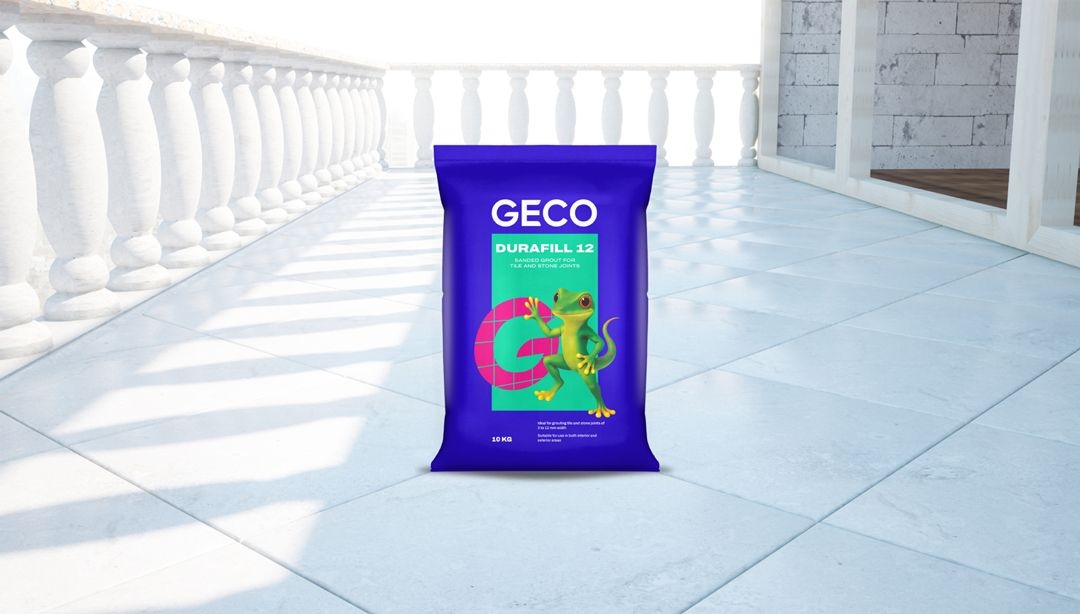
The difference between a tile installation that looks great for years and one that needs repairs after a few years is frequently as simple as matching the type of grout to the width of the joints and picking a formula that is really made to last. This is where GECO DURAFILL 12 show how the ideas we've spoken about in this post work.
GECO DURAFILL 12 is a polymer-modified sanded grout made just for wider joints. It combines the important sand reinforcing we've talked about with cutting-edge polymer technology that makes performance even better. The sand-reinforced formula does what we've said: it builds that important internal structure that keeps it from breaking and shrinking. The polymer alteration makes it more flexible and sticky. This type of focused solution keeps your grout lines strong and even for years of normal use, whether you're installing natural stone with 8 mm joints or large format porcelain with 5 mm spacing.