Tile Grout is More Than Just a Filler: The Critical Role it Plays in Your Installation
16 February 2026When most people think about creating an appealing tile surface on their floors or walls, they focus on the tiles' colour, pattern, and quality. The tile grout that fills the gap is not given its due importance. Tile grout is an important structural part that serves many important purposes in keeping your tile installation strong, long-lasting, and working well.
The Support Structure You Can't See
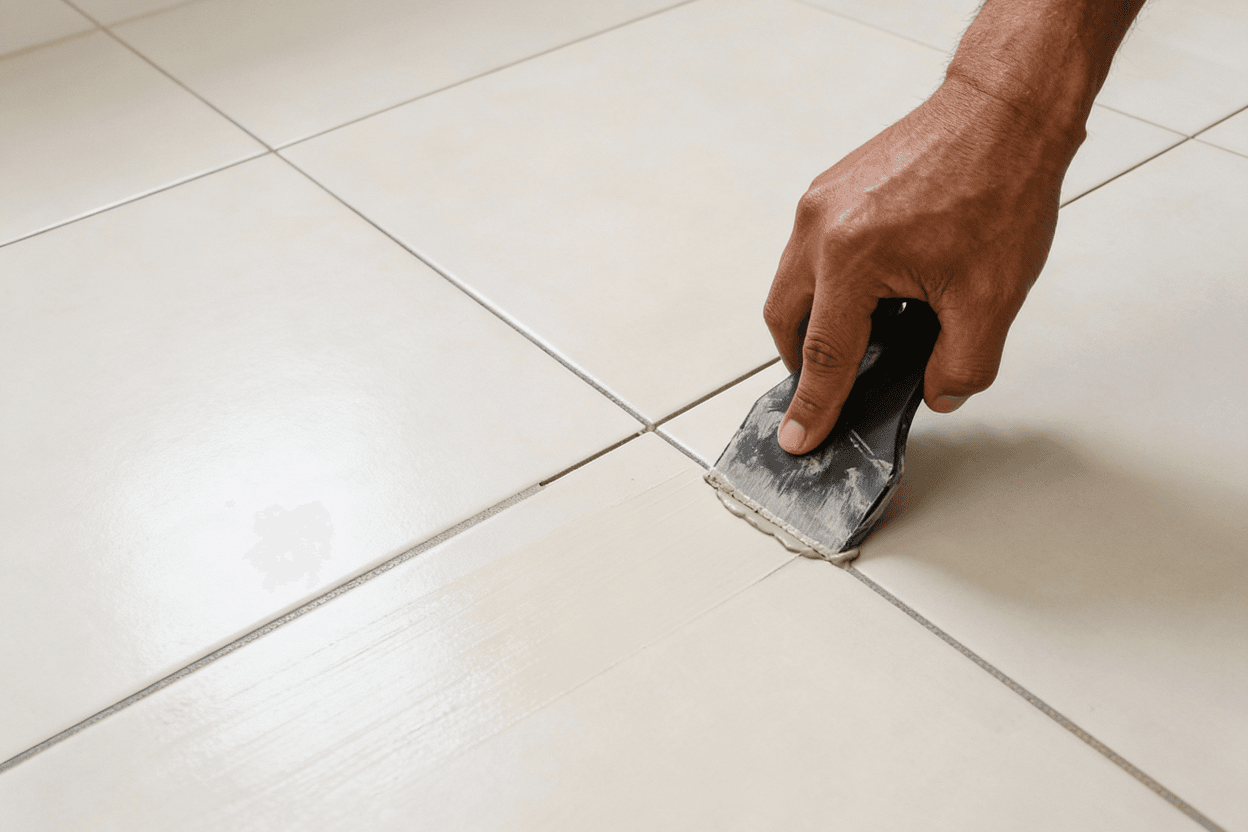
Tile grout's most critical job is to hold the tile installation together. If there isn’t a proper grout in the gaps, the tiles would be like separate spaces with edges that wasn’t supported. Over time, this would cause the tiles to move, chip, or even break when they were under stress.
Grout holds tiles together to make a single surface. It spreads the weight across the whole installation instead of putting stress on just one tile. When you walk on a tiled floor, the grout moves some of the weight to the tiles next to it, so no one tile has to take the complete weight. This is especially important in busy commercial areas or places where there are a lot of heavy furniture and equipment.

Protection from Water Damage
Keeping moisture out is probably the most important thing that grout does to safeguard. Water is one of the worst things that can happen to tile installations, and grout protects it from getting to the surface underneath your tiles. Water that gets behind tiles can cause a lot of problems. The adhesive could break down, which would let the tiles lose their grip and come loose or fall off completely.
Good grout makes a seal on the tile surface that is continuous and keeps water out. Grout protects against humidity, condensation, and spills that happen every day, even in places where there isn't any standing water. Without the right grouting, what looks be a small moisture problem can soon turn into expensive repairs.
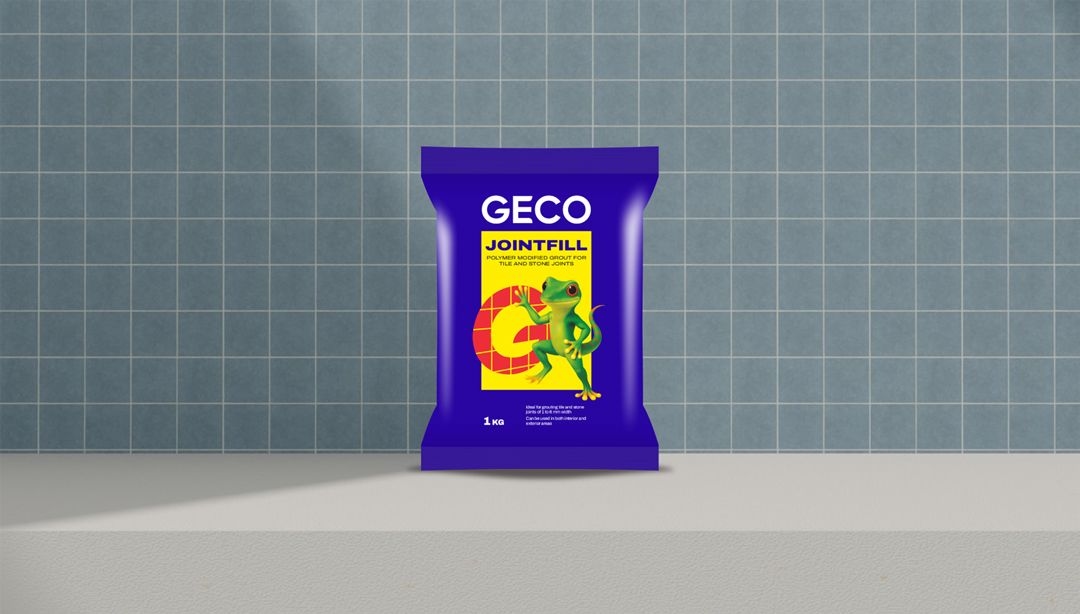
Geco Jointfill goes much further in protecting by giving water-repellent feature to make moisture almost impossible to get through.
Keeping Tile Edges Safe from Damage
The edges of tiles are the weakest parts of them. Ceramic, porcelain, natural stone, or glass tiles can chip, break, or spall when they are hit or stressed. Grout protects these weak edges from damage by acting as a cushion.
Tile grout helps spread out and absorb the force of something that falls on a tiled surface. If you drop something on a tile edge without grout, it could easily chip or crack. That same impact is softened and spread out over a broader area when grout is used correctly, which greatly lowers the chance of damage. The grout not only fills in the gaps, but it also surrounds and supports the edges of the stone. This keeps small chips and cracks from ruining the look of an otherwise stunning installation.
Grout also stops the "knife edge" effect, which happens when sharp tile edges are visible. Exposed tile edges can be sharp enough to cut or snag things, so it's not just a matter of looks. A surface that has been correctly grouted is safer and more comfortable to walk on, with smooth transitions between tiles.
Allowing Movement and Stopping Cracks
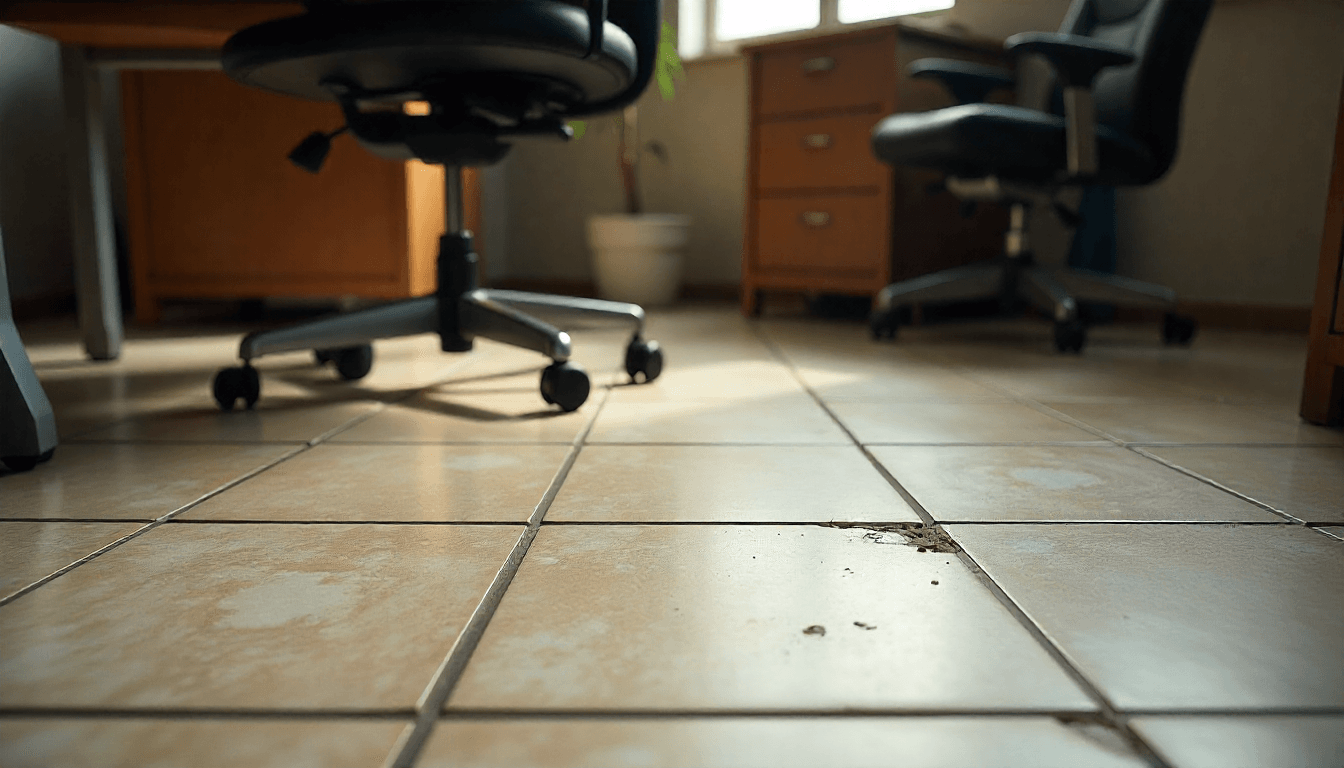
Buildings are never really still; they settle, get bigger when it's hot, get smaller when it's cold, and bend when they have to. Tile installations need to be able to move, and grout is very important for permitting flexibility while keeping the structure strong.
Even small movements in a building would cause traditional inflexible cement mortars to break. Geco Jointfill is a flexible grout that can compress and expand a little as the building moves. This keeps cracks from appearing in the grout lines or, even worse, in the tiles themselves.
Keeping Surfaces Clean and Safe From Germs
Grout is an important hygienic barrier because it fills in the gaps between tiles where dirt, bacteria, mould, and mildew would otherwise build up. This sanitary feature is very important in kitchens, baths, hospitals, restaurants, etc.
Unsealed gaps between tiles are great places for microbes to flourish since they are dark, possibly wet, and hard to clean. Once mould or bacteria gets into these cracks, it's almost tough to get rid of it without taking the tiles out. When applied and sealed correctly, grout makes a smooth, cleanable surface that keeps dirt and germs from getting in.
GECO JOINTFILL For Reliable Performance
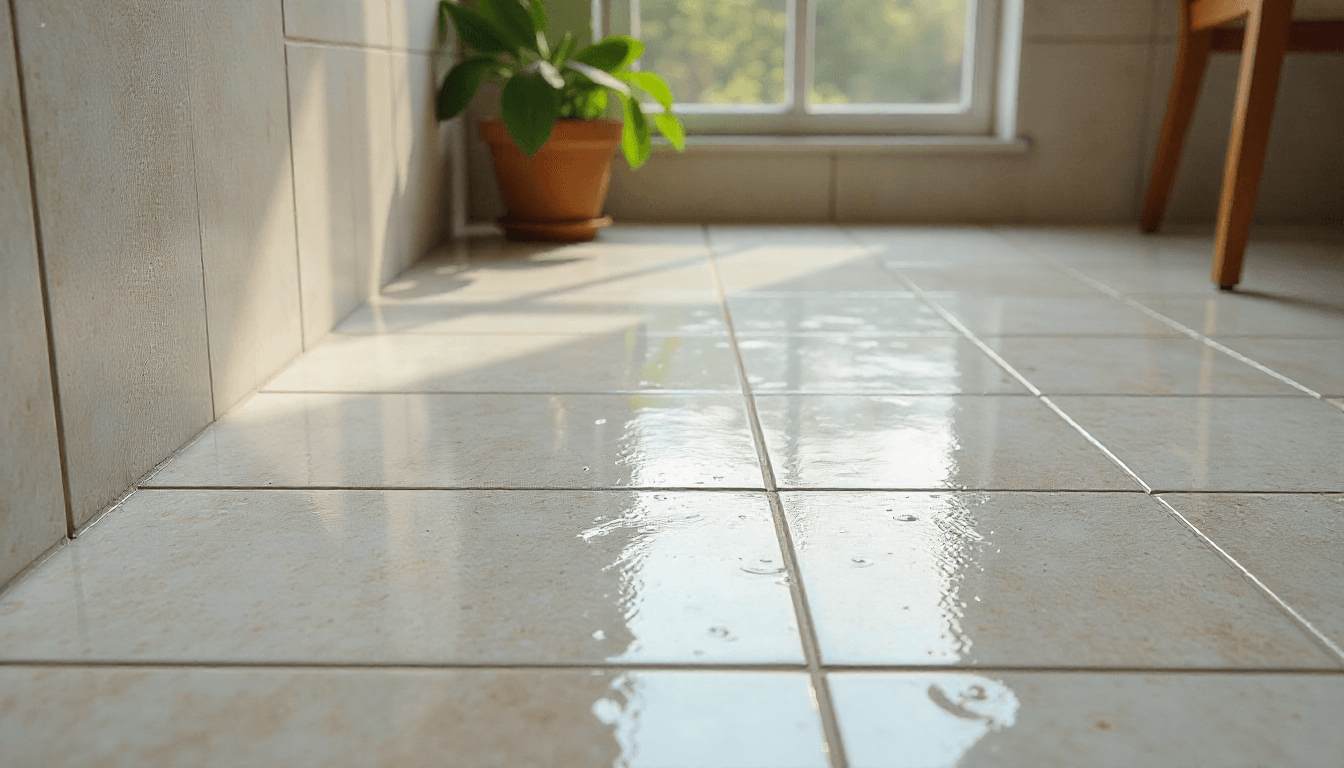
Tile grout is an important part of the structure that preserves your surface and keeps it working for a long time. It provides support, keeps moisture out, protects weak tile edges, and keeps the area clean.
GECO JOINTFILL is a reliable option for installations that need to do all of these important things. This polymer-modified cementitious grout keeps tiles and stones together tightly and makes your tiled surfaces stronger and more stable. Its sophisticated composition inhibits water, dirt, and debris from getting in, which is important for long-lasting installations because it protects against moisture. GECO JOINTFILL comes in a range of colours to match any design style. It not only protects your tile investment, but it also gives the tiles a smooth, professional look that makes them look like a single, beautiful surface.