The Cost of Not Using Masking Tape
20 February 2026Many people make the same expensive mistake while painting: they ignore masking tape or use it wrong. This happens when they are repainting a space, upgrading furniture, or finishing trim. It seems faster at the time, but the results typically show that it wasn't. When paint bleeds, edges aren't straight, and clean-ups are untidy, a project that should go smoothly turns into a headache that takes a long time.
Let's talk about the hidden problems that occur from not using masking tape and how to avoid them.
1. Paint getting under the trim
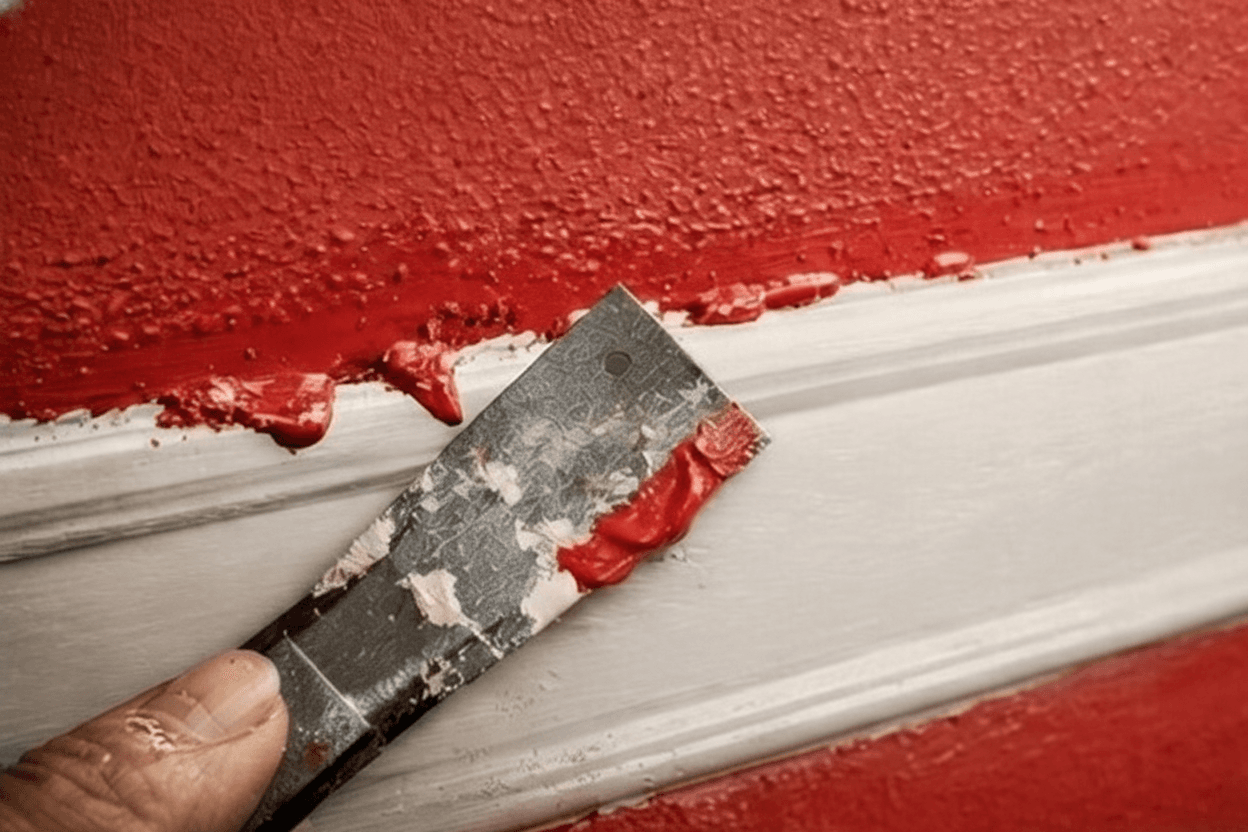
One of the most prevalent problems is paint getting beneath the trim lines. The angles where walls and ceilings meet aren't always perfect. Even with a steady touch, paint can still go into small spaces if you don't mask them properly.
What happened? Bleeding edges that take away from an otherwise nice paint job. To fix this, you'll have to scrape, paint, or repaint, which weren't part of the original concept.
2. Lines that are wobbly and not straight
Nothing makes a freshly painted wall look worse than edges that are wobbly or blurry. When you paint by hand, you rarely get clean, professional-looking lines.
The cost: going back and forth with touch-ups, often more than once, trying to 'fix' both sides of the line, just to make it wider for no reason.
3. Paint that gets on windows and hardware
When you skip tape around windows, door handles, hinges, and electrical fixtures, you typically end up with smears and splatters.
To get dried paint off of glass, you need blades and solvents. It's even harder to get it off of hardware. Sometimes the only thing you can do is replace the parts that are broken.
4. Fixing things takes a lot of time
People skip masking tape because they assume it will save them time. In fact, it can take longer to clean up than it does to paint. You need time, patience, and extra materials to scrub edges, scrape paint off surfaces, rework whole portions, or repaint trim. All of these things cost more money. When you paint without the right masking, it rarely turns out "good enough"—just additional effort.
How to Stay Away from These Problems
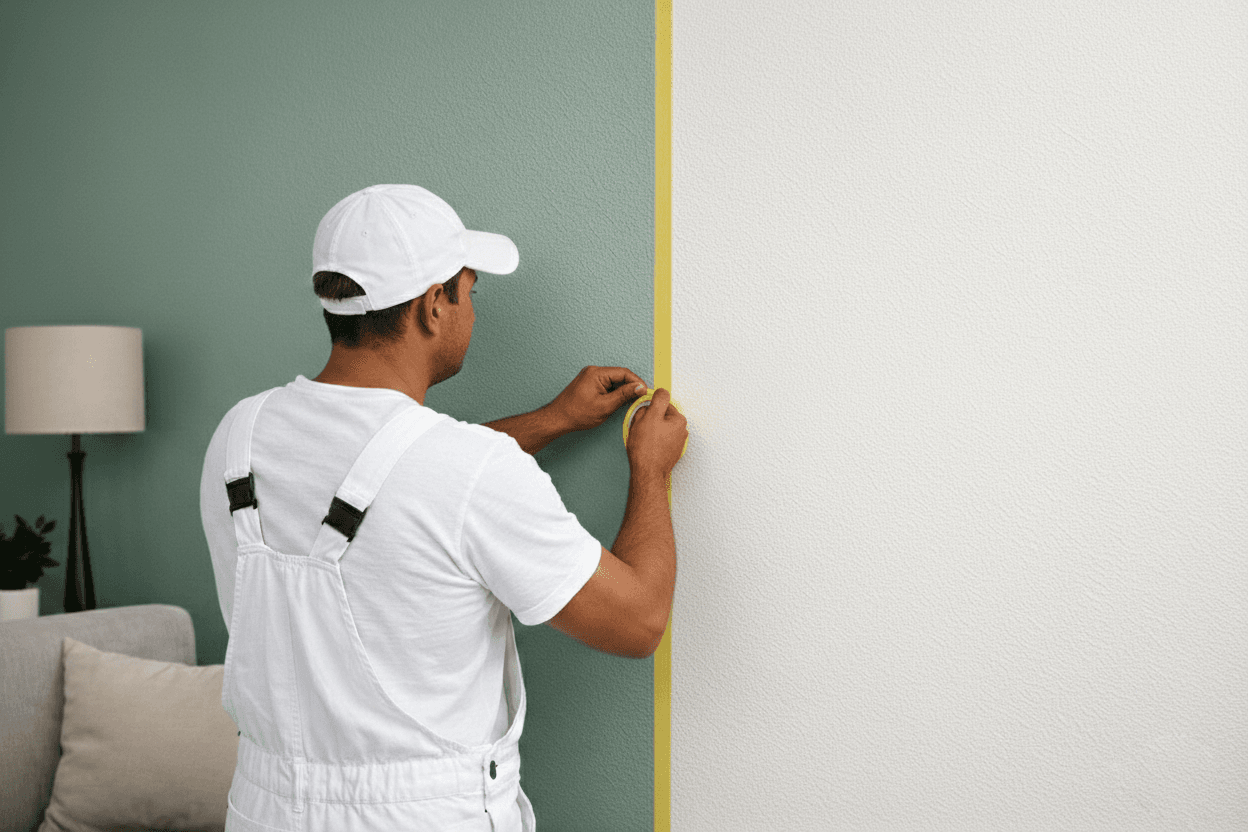
The answer is easy: use high-quality masking tape and put it on correctly.
- To keep paint from bleeding, press the tape tightly along the whole border.
- Select tape that sticks well yet comes off easily.
- To get precise lines, take off the tape at the appropriate angle and time.
- Use tape that works with the surface, whether it's wood, metal, glass, or rough walls.
- With the correct tape, you may go from a difficult paint job to a clean, pleasing finish.
What makes Geco Masking Tapes so special
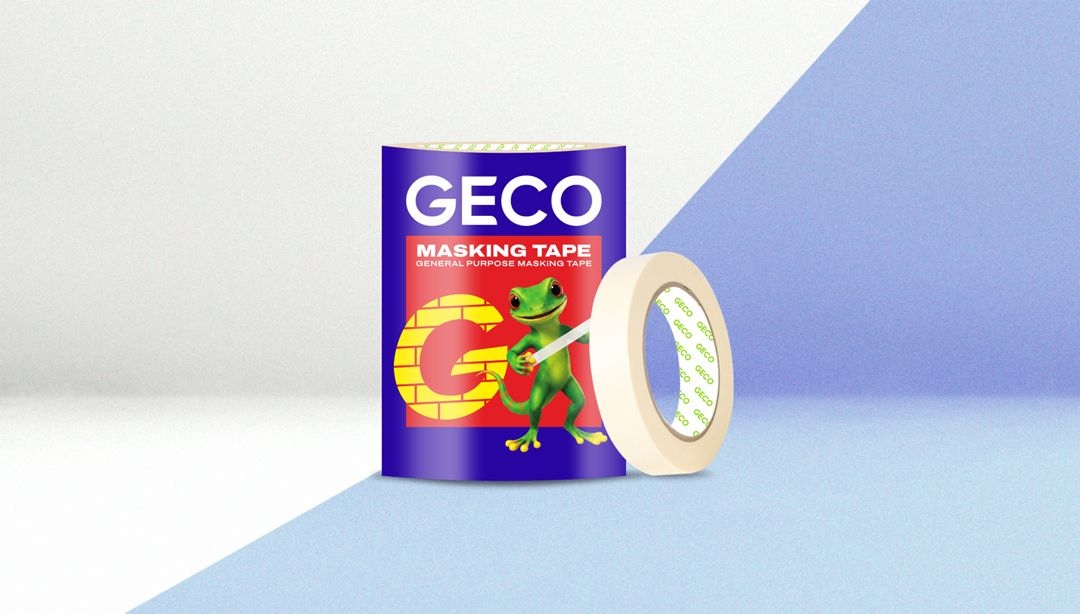
GECO Masking Tapes are made just for painting, carpentry, and construction, so they work every time and stop all of the problems listed above.
With:
- Instant stickiness for quick, easy use
- Tear easily for quick work
- Strong grip to keep paint from leaking
- Clean release with no marks or residue on the surface
Geco makes sure that every time, there are precise lines, clean edges, and a finish that looks professional.
Not using masking tape might seem like a quick way to save time, but the hidden costs of paint bleed, uneven lines, and a lot of cleaning up tell a different story. Taking a few additional minutes at the beginning can save you hours of fixing things later.
You can trust that your results will be clean using GECO Masking Tapes since good masking is the first step to good painting.